How to Prepare Your Car for Summer
Warmer temperatures mean it's time to break out the summer gear you've been waiting to use all year. As you crank up the air conditioner to beat the extreme heat, don't overlook preparing your car for the sweltering summer days ahead. With the potential for triple-digit weather ahead, it's better to cross this off your to-do list sooner rather than later.

5 Tips to Prepare Your Car for Summer
To prepare your car for summer, complete a basic tune-up, wash and wax the exterior, check your tire pressure, stock a safety kit, and protect your interior from UV damage. When snow turns to rain and freezing temperatures start to climb, these steps can help you stay ahead of the heat.
1. Complete a Summer Tune-Up
Doing a once-over on your vehicle before temperatures hit the high 90s and triple digits can help prevent you from ending up stranded on the side of the road. It's also a great way to monitor your vehicle and identify potential concerns before they become an issue. A basic tune-up includes the following:
- Inspect and test the battery to ensure it has enough power to start your vehicle, and clean the battery terminals to ensure a direct connection if you need a jump.
- Check all fluid levels, including the windshield washer, brake fluid, engine oil, coolant, and power steering fluid, and top off as needed. Don't forget to check the coolant reservoir.
- Test the air conditioning to ensure it blows cold, and recharge or have the system recharged if it delivers hot air instead.
- Inspect your brake pads and rotors to determine if it's time for replacement.
- Remove and replace the engine air filter and cabin air filter, or clean reusable filters before reinstalling.
- Check your car's headlights, taillights, brake lights, reverse lights, turn signals, hazards, and high beams.
- Clean the windshield wipers and replace them if the blades are damaged or worn.
If your schedule prevents you from going through your car to check these items off the list before the warm weather hits, consider bringing your vehicle to a trusted mechanic to perform the car maintenance for you. Just be sure to schedule in advance, as other drivers may have the same thought. Most service companies also run summer specials (such as on cooling system maintenance) that you can take advantage of to save on your car's mid-year tune-up.
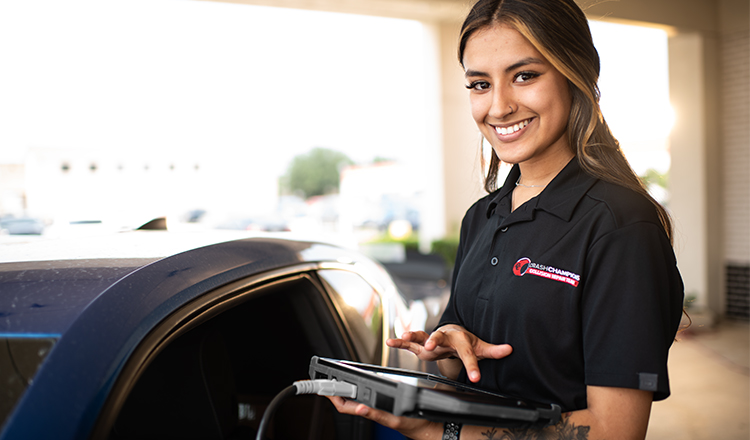
If you notice any collision damage, paint chips, or cracked glass during your summer inspection, your local Crash Champions team can help. Schedule a free estimate to get your vehicle looking its best before the season heats up.
2. Wash and Wax Your Car
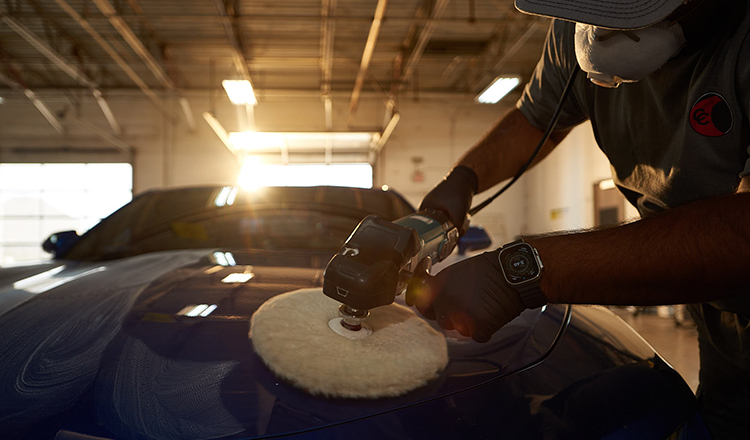
It's easy to let your car stay dirty during the winter, but take time in the spring to clean up the vehicle's exterior and interior. Applying a coat of wax to the paint will help maintain the shine and protect it from the sun. You can find car detail supplies (like a car washing mitt, car soap, and interior cleaners) at your local auto parts store. Seek the services of a professional detailer or a touchless car wash if you don't have the inclination or time to do it yourself.
3. Properly Inflate Tires to Maintain Gas Mileage
Extreme temperatures in the summer months can affect the air in your tires. Ensure all four tires and your spare tire are properly inflated. Failure to inflate them to the car manufacturer's recommendation can lead to uneven wear that could require an alignment to correct. You can find the recommended tire pressure in your owner's manual or the driver's door jamb.
For your tires to operate properly, they must also have enough tread to safely contact the road. Tires can wear out more quickly on hot asphalt in high temperatures, so be sure to check the tire tread depth and replace your tires if they're below 2/32 of an inch. A quick way to check: place a penny head-first into the tread. If you can see the top of Lincoln's head, your tires need replacing. Whether you run all-season tires, winter tires, or summer tires, tread depth is key.
4. Inventory Your Car Safety Kit
Having a car safety kit in your vehicle at all times can help you stay prepared for an emergency. Although these kits are more often associated with winter, they can hold just as many valuable items for summer driving. For example, your summer car safety kit should include non-perishable snacks, water, sunscreen, jumper cables, a paper map, a sturdy car jack, and a first aid kit.
5. Protect Against Fading
Installing seat covers in your car can keep the sun from fading the upholstery, whether cloth or leather. If you have seat covers already installed, now's a good time to remove and wash them before reinstalling them. Consider investing in a winter and summer set of seat covers to make the transition even easier.
If you're not a fan of seat covers, purchasing a sunshade for your vehicle can help keep the sun's powerful rays from heating up your car's interior. Most sunshades are relatively inexpensive and well worth the investment, especially when you get in your car after a long day in the heat and find it's a few degrees cooler inside than out. Plus, you can customize most shades to fit your personal style.
Window tint can help keep the interior of your car cooler and protect it from harmful UV rays. Before you shop around for window tint, review the laws surrounding legal tint darkness. If you can't afford tint, parking your car under an awning or in the garage can also help keep the interior and paint from fading.
How Do You Store a Car for the Summer?
If you plan on storing your current vehicle for a few months and driving another set of wheels, take the time now to prepare it for a summer slumber. To store your car for the summer, clean it inside and out, protect the tires from flat spots, and use a quality car cover to shield the paint. Keep the following in mind as you get your vehicle ready for storage:
- Clean your car inside and out, removing any food or containers that could leak or explode in higher temperatures.
- Lay cardboard or a tarp beneath your vehicle to prevent any drips from seeping into the garage floor.
- Drive your car onto tire savers that prevent flat spots or remove the wheels and tires entirely.
- Avoid setting the parking brake.
- Clean and lift the wiper blades away from the windshield to prevent the rubber from melting and sticking to the glass.
- Leave convertible tops up and securely latched.
- If you live in a humid climate, place a dehumidifier in or near your car.
- Invest in a quality car cover that doesn't scratch the paint or leave rub marks.
- Consider putting out rodent traps if you live close to a field or have had issues in the past. A secure and snug fit with your chosen car cover can also help keep out pests.
Protect Your Car's Value This Summer
Before you cannonball into the pool or head to the beach, get your car ready for the summer season and hot temperatures ahead to ensure it gets you where you want to go. Spending a few hours in the spring months can pay off in spades by giving you peace of mind. Then, as the days become shorter and cold weather sets in, it will soon be time to prepare your car for the wintry days ahead.
If your vehicle needs collision repair or paint restoration after a rough season on the road, Crash Champions can help. Find your nearest location to schedule your free estimate.
Frequently Asked Questions
When should I start preparing my car for summer?
Start in late spring before temperatures climb into the 90s. Checking your fluids, tires, and air conditioning early gives you time to address any issues before the heat puts extra stress on your vehicle.
How do I check if my tires are safe for summer driving?
Check your tire pressure against the recommendation on your driver's door jamb or in your owner's manual, and inspect the tread depth. Place a penny head-first into the tread. If you can see the top of Lincoln's head, it's time to replace your tires.
How should I protect my car's paint and interior from the sun?
Wash and wax your exterior to create a protective barrier against UV damage. For the interior, use a sunshade, consider window tint within your state's legal limits, or park in a shaded area to reduce fading and heat buildup.
The information in this article is provided for educational purposes and may not reflect every situation. While we strive for accuracy, this content is general guidance, not a substitute for visiting your local collision repair provider. For questions about your specific vehicle or repair needs, contact your local Crash Champions team.