How to Prepare Your Car for Winter
Getting out sweaters and heavy blankets can help you prepare your home for winter, but don't forget about your vehicle. Preparing your car for the slushy, snowy drives ahead helps keep you and other drivers safe. Plus, giving your car extra attention before the cold weather hits also means extending your car's longevity through routine maintenance.
How to Prepare Your Car for Winter Weather
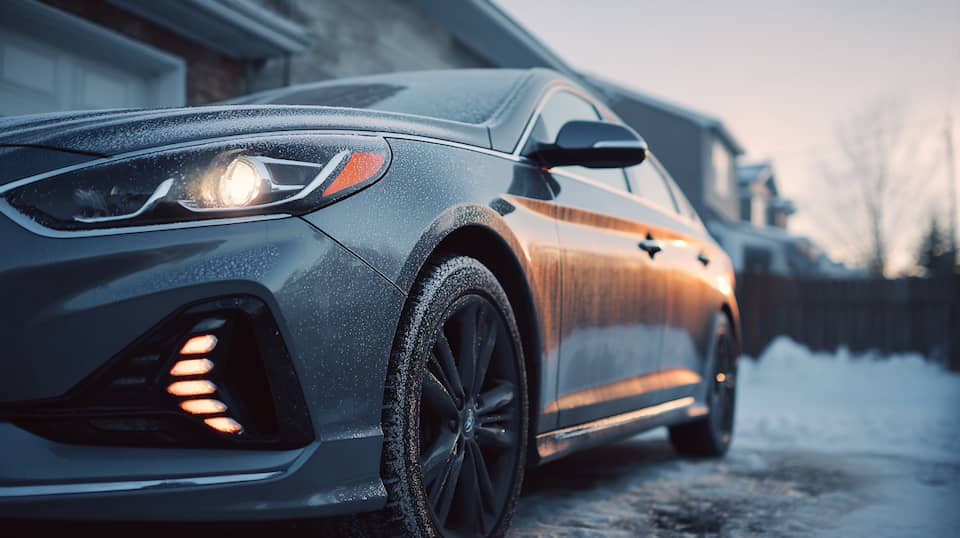
To prepare your car for winter, you should check your tires, top off fluids, assemble an emergency kit, inspect key systems like brakes and battery, and protect your paint from road salt and grime. As the temperatures drop and the days get shorter, find time in your schedule to get your car ready for the winter weather ahead. Use the following checklist to make sure your car is prepared when the first snow falls.
1. Invest in Winter Tires
Winter tires provide better traction on icy and snow-packed roads than all-season tires. Depending on your climate, all-season tires may not be enough to navigate icy highways and snow-packed streets. Consider investing in winter tires to increase your car's ability to gain traction and maneuver through the snow. One easy way to switch between summer tires and snow tires is to mount them on different wheels, so all you have to do is swap wheelsets when the seasons change.
As you switch out tires, be sure to rotate and balance them as well to ensure even wear. Check the tire pressure of each one against the manufacturer's recommendations, including the spare tire. Over-inflating or under-inflating your tires can affect your gas mileage and potentially shorten their lifespan.
2. Top Off Your Windshield Wiper Fluid
Windshield washer fluid helps you see better all year, from removing bugs during the summer to wiping away road grime in the colder months. Top off your windshield wiper fluid, filling up the reserve tank to the maximum line to make sure you have plenty when needed. Now is also a good time to check your wiper blades to see if they need replacing.
3. Assemble a Winter Car Emergency Kit
A car emergency kit can help you weather the elements if you get stranded out in the cold. Take some time to put together a winter emergency kit that includes everything you might need if you can't make it home. Essentials include a heavy-duty blanket, snow shovel, tarp, ice scraper, non-perishable food and water, a first aid kit, kitty litter, and gloves.
4. Give Your Car a Once-Over
Proactively performing routine maintenance keeps you from getting stranded on the road in wintertime. Give your car a thorough once-over, checking everything from the battery charge and headlight function to the brake lights and air filter. Make sure all fluids, including brake fluid, engine oil, and coolant, are topped off.
Test belts and hoses, especially at attachment points, to confirm they are supple. Run the heater to verify it works properly and keeps you warm on your journey. You can also visit your local mechanic to have them look over the car before your next winter trip.
5. Protect Your Car's Paint
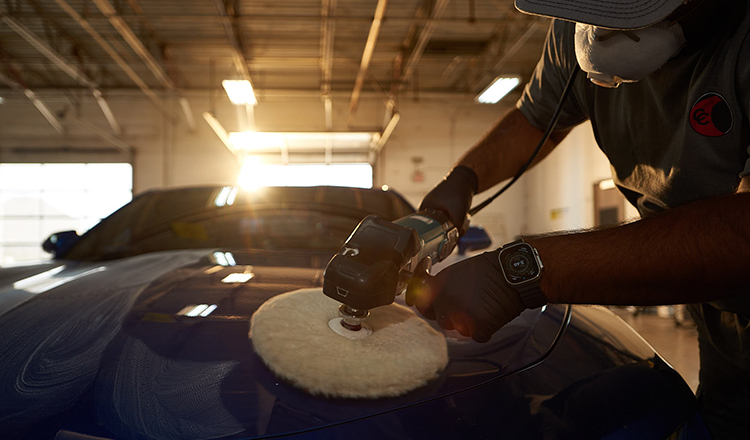
Even if it's freezing outside, washing away the top layer of road grime on your car helps keep harsh chemicals away from the paint. Waxing your car every six months adds a layer of protection. Schedule an interior clean with a local automotive detailer, or take your vehicle to the nearest car wash to do the job yourself.
Additional Winter Driving Tips
Preparing your car for winter conditions is only half the process. Now is also a great time to practice your winter driving skills and shift your mindset to safer driving habits. Clear your car of snow and ice completely before you head out on the road, as blowing snow from your vehicle can cause visibility issues for drivers behind you. Keep your gas tank at least half full so you are not stranded after running on fumes.
If you have teen drivers in the house, educate them on the dangers of carbon monoxide poisoning that can come from warming up a vehicle in a closed garage. Caution them to increase their following distance for additional time to react if necessary. Winter driving courses that teach skills specific to driving in the snow and on ice, such as steering into a skid rather than overcorrecting, can also be a good investment. Add extra time to your plans to arrive safely, even if you are a few minutes late.
What to Do If You Get Stranded
Getting stranded in cold temperatures can disrupt your travel plans, even if you are just trying to make it home. If you get stranded in a winter storm, stay in your car and turn on your hazard lights. Call 911 if you have service and take inventory of your winter survival kit.
Conserve your car's battery to maintain a heat source, but run the engine for about 10 minutes every 60 to 90 minutes. Drink fluids and avoid overexerting yourself. Move your arms and legs to keep blood flowing until help arrives.
How to Store Your Car for the Winter
If you don't drive the same car year-round, storing your car for the winter can increase its longevity. Preparing your car for storage during the winter months is similar to storing it for the summer, with a few exceptions:
- Leave about a quarter to a half tank of gas in the car to prevent condensation.
- Add a fuel stabilizer so you can use the gas once you take your car out of storage.
- Close off any entry points to your vehicle, including small openings where mice or rabbits can hole up for the winter.
- Wash and wax the car before you put it away to keep the interior and exterior in good shape.
- If you don't want to keep it on a trickle charger, consider disconnecting and removing the battery.
- Invest in jack stands or ramps if you don't want the tires developing a flat spot while the car sits.
- Update your car insurance policy to reflect the vehicle is in storage.
Frequently Asked Questions
When should I switch to winter tires?
Switch to winter tires before the first snowfall or when temperatures consistently drop below 45°F. Winter tires provide better traction on icy and snow-packed roads than all-season tires, helping you brake and steer more safely.
What should I keep in a winter car emergency kit?
Pack a heavy-duty blanket, snow shovel, ice scraper, first aid kit, non-perishable food and water, kitty litter for traction, gloves, and a tarp. Having these essentials in your vehicle can keep you safe if you get stranded in cold weather.
How do I store my car for the winter?
Leave a quarter to half tank of gas with fuel stabilizer added, seal any openings where animals could enter, and wash and wax the exterior before storage. You can also disconnect the battery and use jack stands to prevent flat spots on your tires.
Winter weather can be unpredictable, but preparation goes a long way toward keeping you safe on the road. If your vehicle does sustain damage from a winter collision or hail storm, Crash Champions is here to help. Find your nearest Crash Champions location to schedule a free estimate.
The information in this article is provided for educational purposes and may not reflect every situation. While we strive for accuracy, this content is general guidance, not a substitute for visiting your local collision repair provider. For questions about your specific vehicle or repair needs, contact your local Crash Champions team.