How to Tow a Trailer
Towing a trailer for the first time can feel overwhelming, with more to think about while traveling down the road. Staying safe while towing means understanding your vehicle's limits, securing your load, and adjusting your driving habits. Before you practice towing in a large parking lot or open space, use this guide as your starting point.
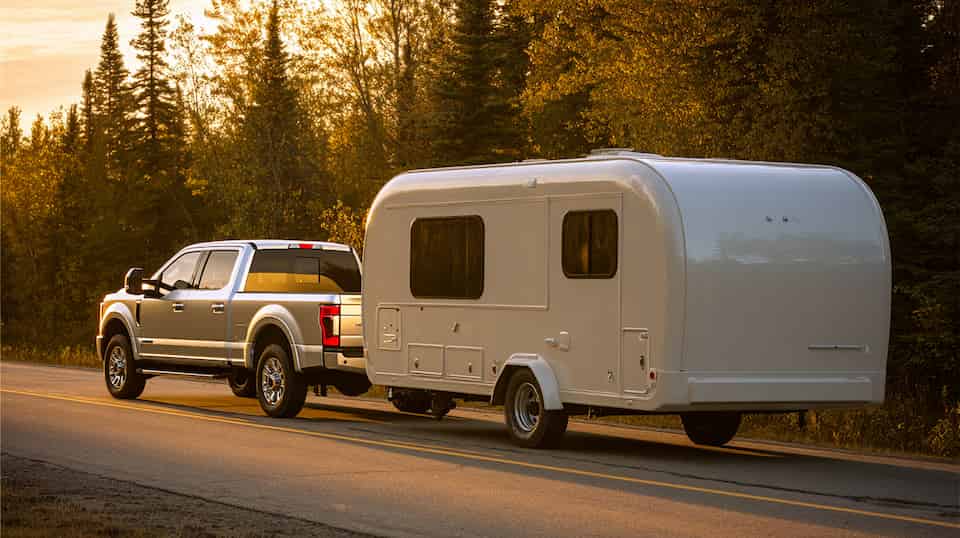
What You Need to Know Before Towing a Trailer
Trailers help you move almost anything, from household belongings and yard equipment to food, live animals, and heavy equipment. You may find yourself towing a boat, flatbed, RV, or horse trailer. Each trailer type requires its own towing equipment, associated knowledge, and driving skills.
Towing a trailer safely requires staying alert throughout the entire journey, from hooking up the trailer to your tow vehicle to storing it for future use. Below are the key steps involved in towing a trailer. Review them to understand what you need to do, and practice in a large open space before you tow your first trailer on public roads.
Research Your Vehicle's Towing Capacity
Your vehicle's towing capacity is the maximum weight it can safely pull, and exceeding it creates serious safety risks. The ability to tow a trailer is a bit like having a car with four-wheel drive: it may enable you, but it does not make you invincible on the road. You are still subject to the laws of physics, and, in the case of towing, the force of gravity. Your vehicle and the trailer behind it can only handle so much weight.
Researching your vehicle's maximum towing capacity and trailer weight is vital to preventing dangerous situations on the road. Most trailers include a trailer weight measurement, which describes how much the trailer weighs when empty. Below are several critical weight measurements related to towing:
- Gross Axle Weight Rating (GAWR): The maximum distributed weight a particular axle can safely support.
- Gross Vehicle Weight Rating (GVWR): The total weight your vehicle can support when fully loaded, including passengers, cargo, and the tongue weight from the trailer.
- Payload capacity: The maximum weight the trailer is designed to carry.
- Trailer tongue weight: The portion of the trailer's weight that transfers to the tow vehicle through the tongue or hitch point. A maximum tongue weight of no more than 25% of the total trailer weight is ideal.
Familiarizing yourself with these weight ratings helps keep you safe before you even get on the road. When you stay within these ratings, you can feel confident that you will not overexert your equipment.
Review the Basic Towing Components
Understanding your towing components helps you troubleshoot problems quickly on the road. For example, if you lose brake lights on your trailer, you likely have a broken wiring connection or a fault in the electrical system. Below are the most common towing components you should know:
- Trailer hitch: This connection point, also called a trailer coupler, links the tow vehicle to the trailer.
- Ball mount: A type of trailer hitch characterized by a ball and shank of various sizes that fits into the receiver on your tow vehicle.
- Hitch pin/lock: A pin that locks the trailer hitch in place to prevent it from detaching.
- Safety chains: Two chains that secure the trailer to the towing vehicle as a backup if the hitch fails. They should not touch the ground when attached.
- Wiring harness: An electrical connection that extends your tow vehicle's lighting (brake lights, turn signals, reverse lights) to the trailer.
Knowing these basic elements of towing equipment can help prevent several future headaches. For example, vehicles with traditional tow hitches cannot tow gooseneck trailers. Gooseneck trailers are a specific type that connects to a mounting point in the middle of a pickup truck bed, not to a standard rear receiver hitch.
Distribute the Weight
Properly distributing the weight in your trailer significantly impacts its handling on the road. Follow the 60/40 rule for optimal weight distribution: load 60% of the weight toward the front of the trailer (closest to the tow vehicle) and distribute the remaining 40% evenly across the back. This front-heavy balance helps prevent fishtailing and keeps your trailer stable at highway speeds.
Ensure a Safe Connection to the Tow Vehicle
When you tow, drivers behind you must be able to see your vehicle and trailer clearly. The same brake lights, reverse lights, and turn signal indicators you use in your vehicle must also be visible on the trailer. Connect the trailer's wiring harness to your tow vehicle and confirm the connection is tight and all lights function properly.
Your trailer must also have two safety chains securing it to the tow vehicle. These chains maintain the link between the two should the hitch fail. Crisscross the safety chains beneath the hitch and securely connect them to the tow vehicle and trailer. The crisscross pattern creates a cradle that catches the trailer tongue if it separates from the ball mount.
Adjust Your Driving Behavior
Towing a trailer means adjusting your driving behavior to account for the added length and weight. Allow more time and space to stop and turn corners by increasing your following distance and stopping distance. Avoid sudden acceleration or braking whenever possible, and refrain from any abrupt maneuvers.
When changing lanes, remember that your vehicle and trailer take up more space on the road. Check and double-check your blind spots and allow extra room. Use your tow mirrors, and move between lanes slowly and deliberately.
Watch for Trailer Sway
Trailer sway occurs when crosswinds, high speeds, or uneven weight distribution cause your trailer to swing side to side behind your vehicle. If left unchecked, sway can build until the trailer and towing vehicle tip over or roll. It is the same principle that causes a swerving car to lose its center of gravity and flip.
High speeds, downhill grades, large passing trucks, and stiff crosswinds can all affect a trailer's balance on the road. Hitch stabilization devices help address trailer sway, but you may also need to respond by adjusting your driving. To regain control of a swaying trailer, slow down gradually and manually apply the trailer brakes using the brake controller. Do not slam on your vehicle's brakes, as this can make the sway worse.
Plan Your Entry and Exit
Thinking ahead about how you will get in and out of an area with a trailer is a skill that takes practice. It is easy to get blocked in when you have a trailer, especially if that trailer is longer or bigger than average. As you pull into a campground, gas station, or parking lot, plan your escape route. Remember that pulling through is always easier than backing up or turning around with a trailer attached.
Refine Your Towing Skills With Practice
Your first time towing a trailer can feel nerve-wracking, but each time you get behind the wheel with a trailer in tow, you gain valuable experience that will serve you in future trips. Now that you know how to tow a trailer safely with these towing tips, find a large open space to practice before hitting the road.
Frequently Asked Questions
How do you know if your vehicle can tow a trailer?
Check your vehicle's owner's manual or the label on the driver's side door jamb for the Gross Vehicle Weight Rating (GVWR) and maximum towing capacity. The total weight of your loaded trailer must stay below your vehicle's towing capacity to ensure safe handling on the road.
What is the 60/40 rule for trailer weight distribution?
The 60/40 rule means loading 60% of your trailer's cargo weight toward the front (closer to the tow vehicle) and distributing the remaining 40% evenly across the rear. This front-heavy balance helps prevent dangerous fishtailing and keeps the trailer stable while driving.
What should you do if your trailer starts swaying?
If your trailer begins to sway, ease off the accelerator and slow down gradually. If your vehicle has a trailer brake controller, apply the trailer brakes manually. Avoid slamming on your vehicle's brakes, as that can increase the sway and cause you to lose control.
If a towing mishap or road incident results in damage to your vehicle, Crash Champions can help. Find a Crash Champions location near you to schedule your free estimate and get back on the road.
The information in this article is provided for educational purposes and may not reflect every situation. While we strive for accuracy, this content is general guidance, not a substitute for visiting your local collision repair provider. For questions about your specific vehicle or repair needs, contact your local Crash Champions team.