Tips for Merging into Traffic and Changing Lanes
Driving in a straight line is simple, but most of the driving you do requires changing lanes, merging onto highways, and navigating turns. Understanding a few key techniques can help you handle these maneuvers safely and keep traffic flowing smoothly for everyone on the road.
How to Merge into Traffic
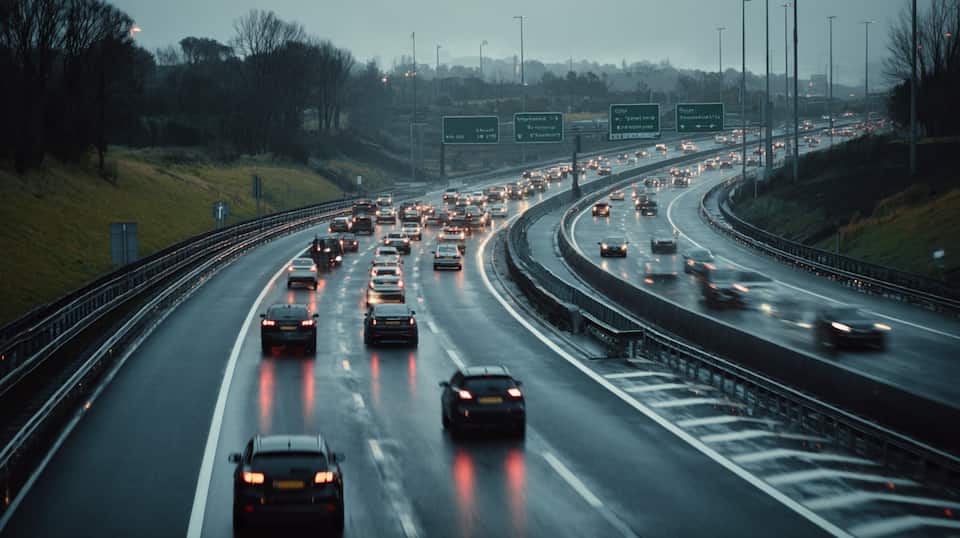
Merging into traffic, especially on a highway, is one of the trickiest maneuvers for new and experienced drivers alike. The key is matching the speed of vehicles already on the road and finding a safe gap to slot into. In most cases, using the zipper method can help you identify where to enter the flow of traffic and make the transition smoother.
The Zipper Method
The zipper merge method works the same way a zipper does: two alternating rows of teeth fill each other's gaps when paired together. On the road, this means vehicles in a merging lane take turns fitting into the spaces between vehicles in the travel lane, one by one.
The zipper method only works when every driver participates in equal spacing. The same courtesy that determines who has the right of way at a four-way stop or roundabout applies here. Without this cooperation, drivers put themselves and others at risk.
How to Change Lanes Safely
Changing lanes is one of the most common maneuvers you perform while driving. Following a consistent process each time helps you do it safely. Here are the steps to follow:
- Check your surroundings. Look in your rearview mirror, side mirrors, and blind spots to identify any vehicles near you. The more space between you and other vehicles, the safer your lane change will be.
- Wait for a clear gap. If an approaching vehicle has enough speed to pass you, let it go by before you make your move. Also look ahead in both lanes to make sure no one is braking or slowing down. This step is especially important when moving between highway lanes.
- Signal and merge. Turn on the appropriate signal light (right or left) and check your mirrors once more, paying close attention to both blind spots. Wait a few seconds, and when it is clear and safe, merge smoothly into the next lane. Keep your turn signal on the entire time and turn it off once you have completed the lane change.
- Give yourself plenty of time. If you know you need to make a right turn within the next few miles, start moving toward the right lane early. Never wait until the last minute to change lanes.
Common Lane-Changing Mistakes
Practicing the steps above can help you build confidence with lane changes. However, watch out for these common mistakes:
- Taking too long to change lanes. Waiting too long increases your risk of a collision because conditions can change quickly, even in light traffic.
- Leaving your turn signal on. Most vehicles pair turn signals with an audible and visual cue so you know when to turn them off. Keeping your signal on after completing a lane change confuses the drivers around you.
- Failing to check mirrors and blind spots. Changing lanes without confirming safe conditions raises your chances of causing an accident.
- Drifting from your lane as you check blind spots. It takes practice to keep your vehicle centered while looking elsewhere, but it is a vital skill to develop.
- Braking or failing to maintain speed. Always maintain a safe following distance. If you have to slow down or exceed the speed limit to get over, the conditions are not right for a lane change.
Merging Order on the Highway
The proper merging order when entering the highway is often debated. Some driving instructors stress the importance of allowing the car in front of you to merge first before you follow. However, waiting for the other driver can shorten the time and space you have to merge. Others argue that you should merge when you find a safe gap, regardless of what the car ahead of you does. In either case, your priority should always be merging safely and maintaining awareness of the vehicles around you.
Additional Tips for Changing Lanes and Merging
Like many driving skills, merging and changing lanes becomes easier with practice. The more scenarios you encounter, the more prepared you will be. Keep these additional tips in mind:
- Stay in the right lane of any two-lane road unless you are passing another vehicle.
- Use highway on-ramps to accelerate and match the speed of vehicles already on the highway before you merge.
- Be aware of larger vehicles and their bigger blind spots. If you cannot see the driver, they cannot see you.
- When changing multiple lanes on a multi-lane highway, move one lane at a time and pause briefly in each lane before moving again.
- Avoid changing lanes at a crosswalk or intersection.
- If another driver lets you in, acknowledge their courtesy with a quick wave.
Drive Safely Every Time You Get Behind the Wheel
Good merging and lane-changing habits protect you and every other driver on the road. Use these tips to sharpen your skills, and the etiquette of the road will become second nature. The drivers around you will notice the difference.
If a merging or lane-changing situation leads to vehicle damage, your local Crash Champions team can help with professional collision repair. Find your nearest Crash Champions location to get a free estimate and get back on the road.
Frequently Asked Questions
What is the zipper merge method?
The zipper merge method is a traffic technique where vehicles in a merging lane take turns fitting into gaps in the travel lane, one by one, similar to how the teeth of a zipper interlock. It helps keep traffic flowing smoothly and reduces congestion at merge points.
When should you start moving over for a highway exit?
You should begin moving toward your exit lane at least one to two miles before your exit. This gives you enough time to check your mirrors, signal, and change lanes safely without making a last-minute maneuver that could cause an accident.
What should you do if another driver will not let you merge?
Stay calm and maintain your speed on the on-ramp. Look for the next available gap in traffic rather than forcing your way in. Adjust your speed slightly to find an opening, and always use your turn signal so other drivers can see your intentions.
The information in this article is provided for educational purposes and may not reflect every situation. While we strive for accuracy, this content is general guidance, not a substitute for visiting your local collision repair provider. For questions about your specific vehicle or repair needs, contact your local Crash Champions team.